

Exploring the realm of Collaborating Physician Opportunities for Telehealth Providers unveils a world of possibilities where quality care and innovation converge. As telehealth continues to revolutionize healthcare delivery, the role of collaborating physicians becomes paramount in ensuring seamless and effective services.
Let's delve into the intricacies of this dynamic collaboration and discover how it elevates the standard of care in telehealth settings.
As we navigate through the various facets of collaborating physician opportunities in telehealth, we will unravel the key components that shape this partnership and its significance in the ever-evolving landscape of virtual healthcare.
Overview of Collaborating Physician Opportunities for Telehealth Providers
Collaborating physician opportunities in telehealth refer to the partnership between telehealth providers and licensed physicians to deliver virtual healthcare services to patients. This collaboration allows telehealth providers to expand their reach and offer a wider range of medical expertise to patients.
Benefits of Collaborating Physicians for Telehealth Providers
- Enhanced Medical Expertise: By working with collaborating physicians, telehealth providers can access specialized medical knowledge and expertise that may not be available within their own team.
- Improved Patient Care: Collaborating physicians can provide valuable insights and recommendations for complex cases, leading to better treatment outcomes and patient satisfaction.
- Regulatory Compliance: Having collaborating physicians onboard ensures that telehealth services comply with state regulations requiring physician oversight in virtual care delivery.
Enhancing Quality of Care in Telehealth Settings
Collaborating physicians play a crucial role in enhancing the quality of care in telehealth settings by providing:
- Diagnostic Support: Collaborating physicians can review patient information, diagnostic tests, and treatment plans to ensure accurate diagnosis and appropriate care.
- Continuity of Care: By collaborating with primary care providers, specialists, and other healthcare professionals, physicians can help coordinate care and ensure seamless transitions between virtual and in-person visits.
- Educational Opportunities: Collaborating physicians can offer training, guidance, and mentorship to telehealth providers, enhancing their clinical skills and knowledge to deliver better care to patients.
Requirements for Collaborating Physician Engagement
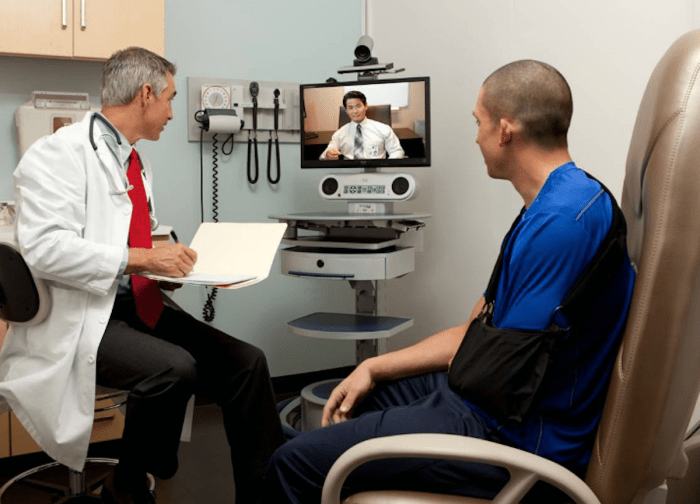
In order for physicians to collaborate effectively with telehealth providers, there are specific qualifications, credentials, legal considerations, and communication requirements that need to be met.
Qualifications and Credentials
- Physicians must hold a valid medical license in the state where the patient is located to provide telehealth services.
- Board certification in their specialty is often preferred by telehealth providers to ensure quality care.
- Experience in telemedicine or willingness to undergo training in telehealth protocols and technology is essential.
Legal and Regulatory Aspects
- Collaborating physicians must adhere to state laws and regulations governing telehealth, including prescribing medications via telehealth.
- Compliance with HIPAA regulations to ensure patient data privacy and security is crucial for all parties involved.
- Understanding the telehealth reimbursement policies of different payers and insurance providers is necessary to avoid legal issues.
Communication and Coordination
- Establishing clear lines of communication between telehealth providers and collaborating physicians is vital for effective patient care.
- Regular consultations and updates on patient cases, treatment plans, and follow-up care are essential for continuity of care.
- Utilizing secure messaging platforms or telehealth software for real-time communication and documentation is recommended.
Finding and Establishing Partnerships with Collaborating Physicians

Finding the right collaborating physicians is crucial for the success of telehealth providers. Establishing partnerships and agreements with these physicians require careful planning and communication. Here are some strategies and tips to help you navigate this process effectively.
Strategies for Finding Suitable Collaborating Physicians
- Utilize professional networks: Reach out to medical associations, local hospitals, and healthcare organizations to connect with potential collaborating physicians.
- Attend medical conferences and events: Networking in person can help you build relationships with physicians who are interested in telehealth services.
- Utilize online platforms: Join telehealth forums or platforms that connect healthcare providers to expand your network and find collaborating physicians.
Establishing Partnerships and Agreements
- Define roles and responsibilities clearly: Clearly Artikel the expectations, duties, and obligations of both parties in a formal agreement to avoid misunderstandings.
- Discuss compensation and payment structure: Agree on compensation terms, payment schedules, and billing procedures to ensure a smooth partnership.
- Ensure compliance with regulations: Make sure all agreements are compliant with telehealth regulations and laws to protect both parties legally.
Tips for Fostering a Collaborative Relationship
- Communicate effectively: Maintain open lines of communication with collaborating physicians to address any issues or concerns promptly.
- Provide training and support: Offer resources, training, and support to help physicians navigate telehealth technology and protocols effectively.
- Celebrate successes: Acknowledge and celebrate milestones and successes together to foster a positive and collaborative relationship.
Role of Collaborating Physicians in Telehealth Delivery
Collaborating physicians play a crucial role in telehealth consultations by providing support and guidance to telehealth providers, ensuring compliance with regulations and standards, and enhancing the overall quality of care delivered remotely.
Responsibilities of Collaborating Physicians in Telehealth Consultations
- Reviewing and approving treatment plans proposed by telehealth providers.
- Providing clinical oversight and guidance during patient consultations.
- Assisting in making critical decisions related to patient care.
- Participating in regular case reviews and discussions with telehealth providers.
Support and Guidance Provided by Collaborating Physicians
- Offering expertise and advice on complex medical cases.
- Assisting telehealth providers in diagnosing and managing patient conditions.
- Ensuring that appropriate follow-up care and referrals are made as needed.
- Being available for consultations and questions from telehealth providers.
Ensuring Compliance with Regulations and Standards
- Reviewing telehealth consultations to ensure adherence to legal and ethical guidelines.
- Providing input on best practices and quality improvement initiatives.
- Helping telehealth providers navigate licensing and credentialing requirements.
- Ensuring that patient data and privacy are protected in accordance with HIPAA regulations.
Closing Summary
In conclusion, Collaborating Physician Opportunities for Telehealth Providers offer a gateway to enhanced patient care, streamlined processes, and regulatory compliance. By fostering strong relationships with collaborating physicians, telehealth providers can unlock a new era of healthcare delivery that prioritizes quality, accessibility, and patient-centric care.
Embrace the possibilities, embrace collaboration, and revolutionize telehealth with the power of partnerships.
FAQ Resource
What qualifications do physicians need to collaborate with telehealth providers?
Physicians typically need to have an active medical license, relevant board certifications, malpractice insurance, and credentials that meet the telehealth provider's standards.
How can telehealth providers establish partnerships with collaborating physicians?
Telehealth providers can reach out to medical associations, utilize networking platforms, attend conferences, or engage in direct outreach to find suitable collaborating physicians.
What role do collaborating physicians play in ensuring compliance with telehealth regulations?
Collaborating physicians help ensure that telehealth services adhere to legal and regulatory requirements by providing oversight, guidance, and expertise in navigating the complex healthcare landscape.