
Employee Health Insurance Benefits: What’s Covered and What’s Not sets the stage for this enthralling narrative, offering readers a glimpse into a story that is rich in detail with a casual formal language style and brimming with originality from the outset.
The discussion delves into the intricacies of employee health insurance benefits, shedding light on what is included and what is not, providing a comprehensive guide for individuals navigating the complexities of healthcare coverage.
Overview of Employee Health Insurance Benefits
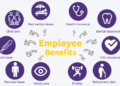
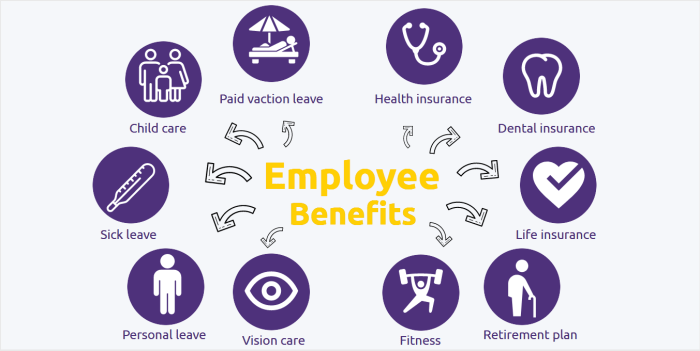
Understanding employee health insurance benefits is crucial for individuals to make informed decisions about their healthcare. It provides financial protection and access to necessary medical services, ensuring employees can maintain their health and well-being without facing significant financial burdens.Employer-provided health insurance typically covers a range of medical services, including doctor visits, hospital stays, prescription medications, preventive care, and mental health services.
It may also offer coverage for vision and dental care, as well as maternity and newborn care. Understanding the coverage areas included in a health insurance plan is essential for employees to effectively utilize their benefits and access the care they need.Employer-provided health insurance often offers more comprehensive coverage at a lower cost compared to individual plans.
Employers may negotiate lower rates with healthcare providers, leading to reduced out-of-pocket expenses for employees. Additionally, group plans often include benefits such as wellness programs, telemedicine services, and health savings accounts, enhancing the overall value of employer-provided health insurance.
Covered Services
When it comes to health insurance benefits for employees, it's important to understand what services are covered to ensure comprehensive healthcare. Here are some common medical services covered by health insurance:
Preventive Care Services
- Regular check-ups and screenings for conditions like high blood pressure, cholesterol, and diabetes.
- Immunizations and vaccines to prevent diseases like flu, measles, and pneumonia.
- Wellness programs and counseling for maintaining a healthy lifestyle.
Emergency Room Visits and Hospital Stays
In case of sudden illness or injury, health insurance typically covers emergency room visits and hospital stays. This includes:
- Emergency treatment for accidents, heart attacks, and other critical conditions.
- Inpatient care for surgeries, intensive treatments, and recovery.
- Diagnostic tests, medications, and other necessary services during hospitalization.
Prescription Drug Coverage
In most health insurance plans, prescription drug coverage is included to help employees manage the costs of necessary medications. This coverage can be crucial for individuals with chronic conditions or those who require regular prescriptions.
Types of Medications Covered
- Generic Drugs: These are typically the most affordable option and are commonly covered by health insurance plans.
- Brand-Name Drugs: Some plans may cover brand-name medications, although they may require a higher copayment or have restrictions on their use.
- Specialty Drugs: These are medications that are often used to treat complex or rare conditions. Coverage for specialty drugs may require prior authorization and have specific guidelines for use.
Limitations and Restrictions
- Formulary Restrictions: Health insurance plans may have a formulary, which is a list of approved medications. If a drug is not on the formulary, coverage may be limited or require a higher out-of-pocket cost.
- Prior Authorization: Some medications may require prior authorization from the insurance company before they are covered. This process ensures that the medication is medically necessary.
- Quantity Limits: Insurance plans may limit the quantity of medication that can be obtained at one time, especially for drugs that are considered high-cost or have a potential for abuse.
What's Not Covered
When it comes to health insurance, it's crucial to understand what services or treatments may not be covered under your policy. These exclusions can impact your out-of-pocket costs and overall healthcare expenses.
Examples of Services Not Covered
- Cosmetic procedures, such as plastic surgery for non-medical reasons
- Alternative therapies, like acupuncture or chiropractic care
- Weight loss programs or surgeries for cosmetic purposes
- Experimental treatments or medications not approved by the FDA
Concept of Exclusions in Health Insurance Policies
Exclusions refer to specific services or treatments that are not included in your health insurance coverage.
Health insurance policies Artikel these exclusions to clarify what will not be paid for by the insurance company. It's important to review your policy documents to understand these exclusions and avoid unexpected costs.
Potential Out-of-Pocket Costs
- If you receive a service that is not covered by your insurance, you may be responsible for paying the full cost out of pocket.
- Out-of-network providers or facilities may also result in higher out-of-pocket costs, as they are not contracted with your insurance company.
- Some insurance plans may have a deductible or co-payment for certain services, even if they are covered, which can add to your out-of-pocket expenses.
Ultimate Conclusion
In conclusion, Employee Health Insurance Benefits: What’s Covered and What’s Not serves as a valuable resource for understanding the nuances of health insurance coverage, empowering individuals to make informed decisions about their healthcare needs. From covered services to prescription drug coverage and exclusions, this guide offers clarity and insight into the world of employee health insurance benefits.
Detailed FAQs
What medical services are typically covered by employee health insurance?
Employee health insurance plans usually cover services such as doctor visits, hospital stays, preventive care, and prescription medications.
Are cosmetic procedures covered by health insurance?
Cosmetic procedures are generally not covered by most health insurance plans as they are considered elective treatments.
How does prescription drug coverage work under health insurance?
Prescription drug coverage involves the insurance plan paying a portion of the cost of prescribed medications, with the individual responsible for the remaining amount, known as a copayment or coinsurance.