
Delving into the realm of Employee Health Insurance Laws and Regulations for 2025 opens up a world of intricacies and impacts that are crucial for both businesses and employees. Let's explore the upcoming changes and how they shape the landscape of health insurance in the workplace.
Overview of Employee Health Insurance Laws and Regulations for 2025
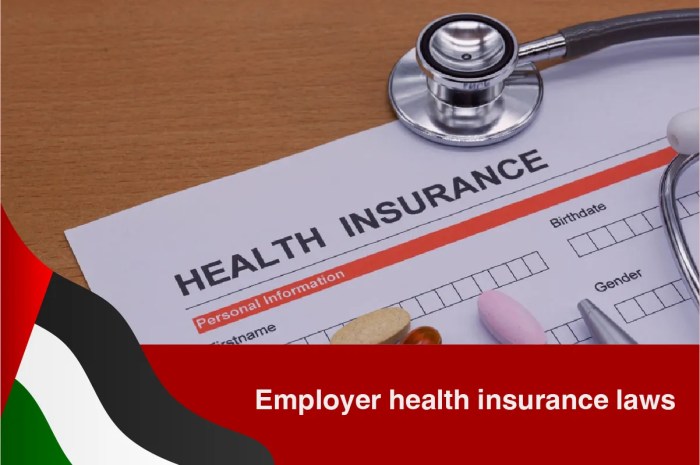
Staying up-to-date with health insurance laws is crucial for businesses to ensure compliance and provide adequate coverage for employees. Changes in health insurance regulations can impact the cost and availability of coverage, as well as the benefits offered to employees.
Key Changes Expected in Health Insurance Regulations by 2025
As we approach 2025, several key changes are expected in health insurance regulations:
- Expansion of telehealth services coverage
- Increased focus on mental health coverage
- Implementation of price transparency measures
- Possible changes to the Affordable Care Act
Potential Impact of These Laws on Businesses and Employees
The implementation of these laws can have significant impacts on both businesses and employees:
- Businesses may need to adjust their health insurance plans to comply with new regulations, potentially leading to increased costs.
- Employees may benefit from expanded coverage options, especially in areas like mental health and telehealth services.
- Price transparency measures could help employees make more informed decisions about their healthcare choices.
Compliance Requirements for Employers
Employers have specific legal obligations when it comes to providing health insurance for their employees. These obligations are in place to ensure that employees have access to adequate healthcare coverage and to protect their rights.
Providing Minimum Essential Coverage
- Employers are required to offer health insurance plans that meet the criteria for Minimum Essential Coverage (MEC) as defined by the Affordable Care Act.
- Examples of MEC include employer-sponsored group health plans, individual health insurance policies, and government-sponsored programs like Medicare.
Contributing to Premium Costs
- Employers must contribute a certain percentage towards the premium costs of their employees' health insurance plans.
- For example, under the ACA, large employers must pay at least 60% of the total premium costs for their employees' coverage.
Reporting Requirements
- Employers are obligated to report information about the health insurance coverage they offer to their employees to the IRS and provide employees with Form 1095-C.
- Failure to comply with reporting requirements can result in penalties and fines.
Non-Discrimination Rules
- Employers must adhere to non-discrimination rules when it comes to offering health insurance benefits to their employees.
- For instance, employers cannot discriminate in favor of highly-compensated employees when providing health benefits.
Consequences of Non-Compliance
- Failure to comply with health insurance laws and regulations can lead to penalties, fines, and legal consequences for employers.
- Employers may face financial penalties for not offering compliant health insurance coverage or for failing to report required information to the IRS.
Employee Rights and Protections
Employee rights and protections under health insurance laws are crucial for ensuring that workers are able to access quality healthcare without financial strain. These laws are designed to safeguard employees' well-being and provide them with essential benefits to maintain their health and financial stability.
Comparison of Employee Benefits
- Under one health insurance regulation, employees may have access to comprehensive coverage that includes preventive care, prescription drugs, and mental health services.
- In contrast, another regulation may offer more affordable premiums but with limited coverage options and higher out-of-pocket costs for employees.
- Employees should carefully review and compare the benefits provided by different health insurance regulations to choose the plan that best suits their needs.
Safeguarding Health and Financial Well-being
- Health insurance laws protect employees by ensuring that they have access to essential healthcare services, such as preventive screenings, immunizations, and treatment for chronic conditions.
- These laws also establish guidelines for insurance companies to prevent discrimination based on pre-existing conditions or other factors that could lead to denial of coverage.
- By regulating the insurance market, these laws help to stabilize premiums and ensure that employees are not unfairly burdened by escalating healthcare costs.
Emerging Trends in Employee Health Insurance
Employee health insurance offerings are constantly evolving to meet the changing needs of the workforce. One of the key trends in employee health insurance is the shift towards more personalized plans that cater to individual needs and preferences.
Technology Influencing Health Insurance Administration
Advancements in technology are revolutionizing the way health insurance benefits are administered. From online portals for easier access to telemedicine services for remote consultations, technology is making it more convenient for employees to manage their health benefits.
Personalized Health Insurance Plans
Employers are increasingly offering personalized health insurance plans that allow employees to tailor their coverage based on their specific health concerns and lifestyle choices. These plans often include wellness programs, preventive care options, and flexible coverage for different medical needs.
Wrap-Up
As we wrap up our discussion on Employee Health Insurance Laws and Regulations for 2025, it becomes evident that staying informed and compliant is key in navigating the evolving healthcare landscape. With a focus on employee rights, compliance requirements, and emerging trends, businesses can ensure the well-being of their workforce in the years to come.
FAQ Overview
What are the key changes in health insurance regulations expected by 2025?
By 2025, key changes in health insurance regulations may include expanded coverage options, stricter compliance measures, and potentially revised contribution requirements from employers.
How can employers ensure compliance with health insurance regulations?
Employers can ensure compliance by regularly updating their health insurance policies, providing thorough training to HR staff, and conducting audits to identify any gaps in compliance.
What employee rights are protected under health insurance laws?
Employee rights protected under health insurance laws include the right to privacy of medical information, access to necessary healthcare services, and the right to appeal insurance claim denials.