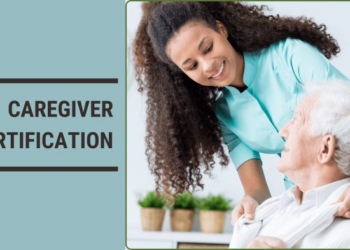

Embark on a journey to discover Live in Home Care Near Me: How to Find Certified Caregivers, where we delve into the world of caregiving with a focus on finding qualified professionals to provide exceptional care in the comfort of your own home.
As we uncover the intricacies of live-in home care and the process of identifying certified caregivers, you'll gain valuable insights on navigating this important decision with confidence.
Understanding Live-in Home Care
Live-in home care is a type of caregiving service where a caregiver resides in the home of the person receiving care, providing around-the-clock assistance and support.
There are several benefits of live-in home care for seniors, including:
Benefits of Live-in Home Care for Seniors:
- Continuous care and supervision: Seniors have access to 24/7 assistance and support, ensuring their safety and well-being at all times.
- Personalized care: Caregivers can tailor their services to meet the specific needs and preferences of each senior, providing individualized attention.
- Companionship: Seniors can enjoy the companionship of a caregiver, reducing feelings of loneliness and isolation.
- Assistance with daily tasks: Caregivers can help with activities of daily living such as bathing, dressing, meal preparation, and medication reminders.
- Peace of mind for families: Family members can have peace of mind knowing that their loved ones are being cared for in the comfort of their own home.
It's important to note that live-in care differs from other types of caregiving services, such as hourly care or respite care. While hourly care involves caregivers visiting for a set number of hours per day, live-in care provides continuous support with a caregiver residing in the home.
Respite care, on the other hand, offers temporary relief for primary caregivers by providing short-term care services.
Finding Certified Caregivers Near Me
Finding a certified caregiver for your loved one is crucial to ensure they receive the best quality of care. Certified caregivers have the necessary training and qualifications to provide professional assistance to those in need. Here are some tips on how to find certified caregivers in your local area and why certifications are important in the selection process.
Identifying Qualifications of a Certified Caregiver
Certified caregivers typically have completed a formal training program, such as a Certified Nursing Assistant (CNA) program, and have obtained the necessary certifications and licenses to practice. They are well-equipped to assist with activities of daily living, medication management, and other healthcare needs.
Tips on Searching for Certified Caregivers in Your Local Area
- Check with local home care agencies or healthcare providers for recommendations on certified caregivers.
- Utilize online caregiver directories or platforms that list certified caregivers in your area.
- Ask for references from friends or family members who have used certified caregivers in the past.
- Interview potential caregivers to ensure they have the necessary certifications and experience to meet your loved one's needs.
Importance of Certifications and Licenses in Caregiver Selection
Certifications and licenses serve as proof that a caregiver has undergone the required training and met the necessary standards to provide care. They demonstrate a caregiver's commitment to professionalism and competency in their role, giving you peace of mind knowing your loved one is in capable hands.
Evaluating Home Care Agencies
When it comes to choosing a home care agency, there are several factors to consider to ensure the best care for your loved one. It's important to compare different agencies based on the services they offer and the qualifications of their caregivers.
Conducting background checks on caregivers provided by agencies is crucial to ensure the safety and well-being of the individual receiving care.
Services Offered by Home Care Agencies
- Personal care assistance with activities of daily living
- Medication management
- Meal preparation and nutrition support
- Housekeeping and transportation services
Caregiver Qualifications
- Certification and training in caregiving
- Experience working with seniors or individuals with specific health conditions
- Good communication skills and empathy
- Ability to handle emergencies and medical situations
Background Checks on Caregivers
It is essential for home care agencies to conduct thorough background checks on their caregivers to ensure they are trustworthy and capable of providing quality care. This may include criminal background checks, reference checks, and verification of certifications and qualifications.
Cost and Payment Options

When considering live-in home care services, it is essential to understand the typical costs involved and the payment options available. This can help you plan ahead and make informed decisions regarding your loved one's care.
Typical Costs of Live-in Home Care
- Live-in home care services can range from $3,000 to $6,000 per month, depending on the level of care needed and the location.
- Additional costs may include medication management, transportation, and specialized care services.
- It is important to inquire about any hidden fees or extra charges that may apply to ensure transparency in pricing.
Payment Options for Live-in Home Care
- Private Pay: Families can directly pay for live-in home care services out of pocket. This option provides flexibility and allows for personalized care arrangements.
- Long-Term Care Insurance: Some long-term care insurance policies cover live-in home care services. It is essential to review the policy details and coverage limits.
- Medicaid: For eligible individuals with limited financial resources, Medicaid may cover some or all of the costs associated with live-in home care. Requirements vary by state.
Financial Assistance Programs and Insurance Coverage
- Veterans Benefits: Veterans and their spouses may be eligible for benefits that can help cover the costs of live-in home care services. These benefits are provided through the Department of Veterans Affairs.
- Program of All-Inclusive Care for the Elderly (PACE): PACE is a Medicare and Medicaid program that offers comprehensive medical and social services, including live-in home care, for individuals who meet the criteria.
- Home and Community-Based Services (HCBS) Waivers: Some states offer HCBS waivers that allow individuals to receive care at home instead of in a nursing facility. These waivers may cover live-in home care services for eligible participants.
Last Point
In conclusion, Live in Home Care Near Me: How to Find Certified Caregivers offers a comprehensive guide to understanding the nuances of home care services and selecting the right caregiver for your unique needs. Take the first step towards ensuring quality care for yourself or your loved ones by making informed choices based on the knowledge shared in this piece.
FAQ Compilation
What qualifications should a certified caregiver have?
Certified caregivers should have training in basic caregiving skills, CPR certification, and ideally some experience in providing care to seniors.
How can I search for certified caregivers in my local area?
You can start by contacting home care agencies, checking online caregiver directories, or seeking recommendations from healthcare professionals.
Are there financial assistance programs available for home care services?
Yes, there are programs like Medicaid, VA benefits, and long-term care insurance that may help cover the costs of home care services. It's important to explore all options based on your specific situation.