

Exploring the realm of Small Business Health Insurance Cost Calculator: Estimate Your Premiums, this introduction aims to captivate readers with a rich narrative that delves into the importance of estimating health insurance costs for small businesses. The engaging tone sets the stage for an informative and enlightening discussion that follows.
In the subsequent paragraphs, detailed information on the key factors affecting premiums, using a cost calculator, and comparing different calculators will be revealed, offering valuable insights for businesses seeking to manage their health insurance expenses effectively.
Importance of Small Business Health Insurance Cost Calculators
Small businesses often operate on tight budgets and need to carefully plan their expenses, including health insurance costs for their employees. Estimating these costs accurately is crucial for financial planning and decision-making.
Benefits of Using a Cost Calculator for Small Business Health Insurance
- Allows for Budget Planning: Small business health insurance cost calculators help businesses anticipate and budget for their healthcare expenses, ensuring they are prepared for any fluctuations in premiums.
- Comparison of Plans: These calculators enable small businesses to compare different health insurance plans and choose the one that best fits their needs and budget.
- Customization Options: Cost calculators often provide customization options, allowing businesses to adjust variables such as number of employees, coverage levels, and deductibles to see how they impact premiums.
- Informed Decision-Making: By using a cost calculator, small businesses can make informed decisions regarding their health insurance coverage, ensuring they provide adequate benefits to employees while also staying within budget.
Examples of How Cost Calculators Help Small Businesses Make Informed Decisions
- Scenario Planning: Small businesses can use cost calculators to run different scenarios based on employee demographics, coverage options, and contribution amounts to understand the financial implications of various choices.
- Employee Contribution Analysis: Cost calculators can help businesses analyze how different levels of employee contributions impact overall costs, allowing them to find the right balance between employer and employee expenses.
- Plan Comparison: By inputting data from multiple health insurance plans into a cost calculator, small businesses can easily compare premiums, deductibles, and coverage levels to choose the plan that offers the best value for their needs.
Key Factors Affecting Small Business Health Insurance Premiums
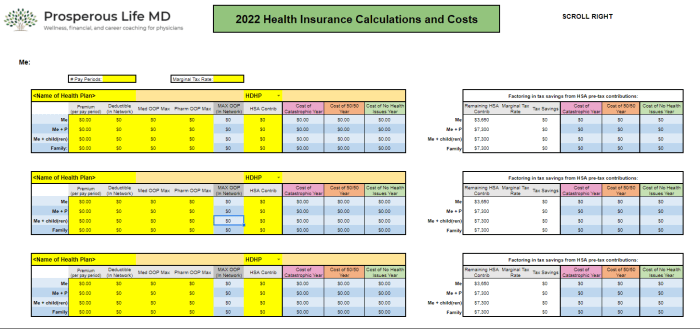
When it comes to small business health insurance premiums, several key factors play a significant role in determining the cost. Understanding these factors is crucial for businesses looking to manage their health insurance expenses effectively.
Employee Demographics
Employee demographics, such as age, gender, and overall health status, can impact health insurance premiums. Older employees or those with pre-existing medical conditions may lead to higher premiums due to increased health risks.
- Age: Younger employees typically have lower health insurance premiums compared to older employees.
- Health Status: Employees with chronic illnesses or poor health may result in higher premiums for the business.
- Gender: Some insurance plans may have different premium rates based on gender due to varying healthcare costs.
Location
The location of a business can also influence health insurance premiums. Healthcare costs can vary significantly depending on the region, which can impact the overall premium rates for small businesses.
- Cost of Living: Higher-cost areas may have more expensive healthcare services, leading to higher premiums.
- State Regulations: Different states have varying regulations on health insurance, affecting premium rates for businesses operating in those areas.
Coverage Options
The coverage options chosen by a business can have a direct impact on health insurance premiums. The level of coverage, deductibles, copayments, and other factors can all influence the overall cost of insurance.
- Level of Coverage: Comprehensive plans with more extensive coverage will generally have higher premiums compared to basic plans.
- Deductibles and Copayments: Higher deductibles and copayments can lower premiums but may result in higher out-of-pocket costs for employees.
- Network Options: Plans with a broader network of healthcare providers may have higher premiums than more restricted network options.
Using a Small Business Health Insurance Cost Calculator
When it comes to estimating health insurance premiums for your small business, using a cost calculator can be a helpful tool. It allows you to get an idea of the potential costs based on various factors.To use a small business health insurance cost calculator effectively, follow these steps:
Inputting Data
To begin, you will need to input specific data into the calculator. This may include the number of employees you plan to cover, the type of coverage needed, the age range of your employees, and any additional benefits required
- Enter the number of employees: Provide an accurate count of the individuals you wish to include in the health insurance plan.
- Select coverage needs: Choose the type of health insurance coverage that best suits your business and employees, such as HMO, PPO, or high-deductible plans.
- Specify employee demographics: Input the age range and any other demographic information required to calculate premiums accurately.
- Add any additional benefits: Include any extra benefits or add-ons you want to offer your employees, such as dental or vision coverage.
Interpreting Results
Once you have entered all the necessary data, the calculator will generate an estimate of your small business health insurance premiums. It's essential to understand how to interpret these results effectively.
- Review the total cost: Take note of the total premium amount generated by the calculator, including any additional fees or costs.
- Compare plans: Evaluate different plan options and their costs to determine which one best fits your budget and coverage needs.
- Consider employee contributions: Determine how much employees may need to contribute towards their health insurance premiums based on the results.
- Adjust variables: If the results are higher than expected, consider tweaking the input variables to see how they impact the final premium amount.
Comparison of Different Small Business Health Insurance Cost Calculators
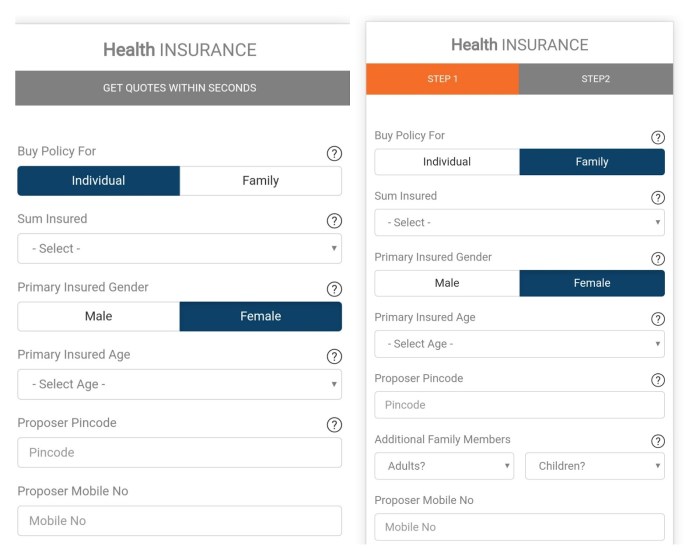
When it comes to choosing a small business health insurance cost calculator, there are several options available in the market. Each calculator comes with its own set of features, accuracy levels, and ease of use. It is important for small businesses to select the right calculator that aligns with their specific needs to accurately estimate their insurance premiums.
Popular Small Business Health Insurance Cost Calculators
- HealthCare.gov Calculator:This calculator provided by the official health insurance marketplace allows businesses to estimate their premiums based on the number of employees and location.
- NAHU Small Business Health Insurance Tax Credit Calculator:This tool helps businesses determine if they qualify for tax credits when offering health insurance to employees.
- eHealthInsurance Cost Calculator:eHealthInsurance offers a calculator that provides quotes from different insurance providers, allowing businesses to compare prices.
Differentiating Factors of Small Business Health Insurance Cost Calculators
- Features:Some calculators offer additional features such as tax credit estimations, plan recommendations, and cost comparisons.
- Accuracy:The accuracy of the calculator's estimates is crucial in helping businesses budget for their health insurance costs effectively.
- Ease of Use:A user-friendly interface and straightforward input process can make a significant difference in the usability of the calculator.
Importance of Choosing the Right Calculator
- Choosing a calculator that meets the specific needs of a business ensures that the estimates provided are relevant and useful for decision-making.
- Accurate calculations help businesses budget effectively and avoid financial surprises when it comes to health insurance premiums.
- By selecting a user-friendly calculator, businesses can streamline the process of estimating their health insurance costs and focus on other aspects of their operations.
Closing Notes
Wrapping up our exploration of Small Business Health Insurance Cost Calculator: Estimate Your Premiums, this conclusion succinctly summarizes the key points discussed and leaves readers with a lasting impression of the significance of utilizing cost calculators for informed decision-making in the realm of health insurance for small businesses.
FAQ Guide
Why is it important for small businesses to estimate their health insurance costs?
Estimating health insurance costs helps small businesses budget effectively and choose the most suitable insurance plans for their employees. It ensures financial stability and employee satisfaction.
What are the main factors influencing health insurance premiums for small businesses?
Factors such as employee demographics, location, coverage options, and company size play a significant role in determining health insurance premiums for small businesses.
How can businesses effectively manage their health insurance expenses by understanding these factors?
By comprehending the factors affecting premiums, businesses can make informed decisions on coverage options, negotiate better rates, and tailor insurance plans to suit their specific needs, thereby optimizing their health insurance expenses.